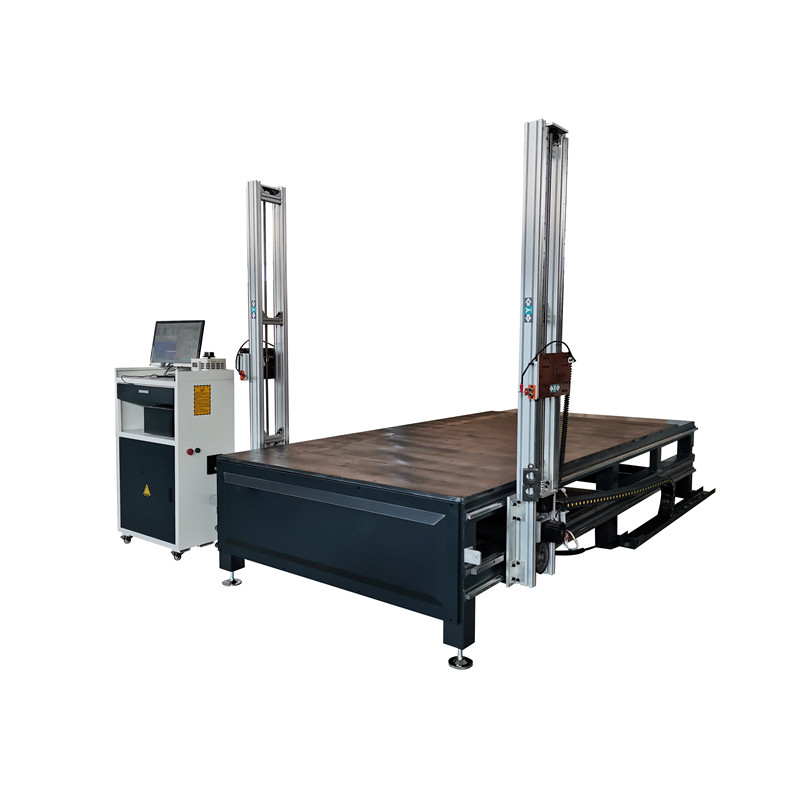
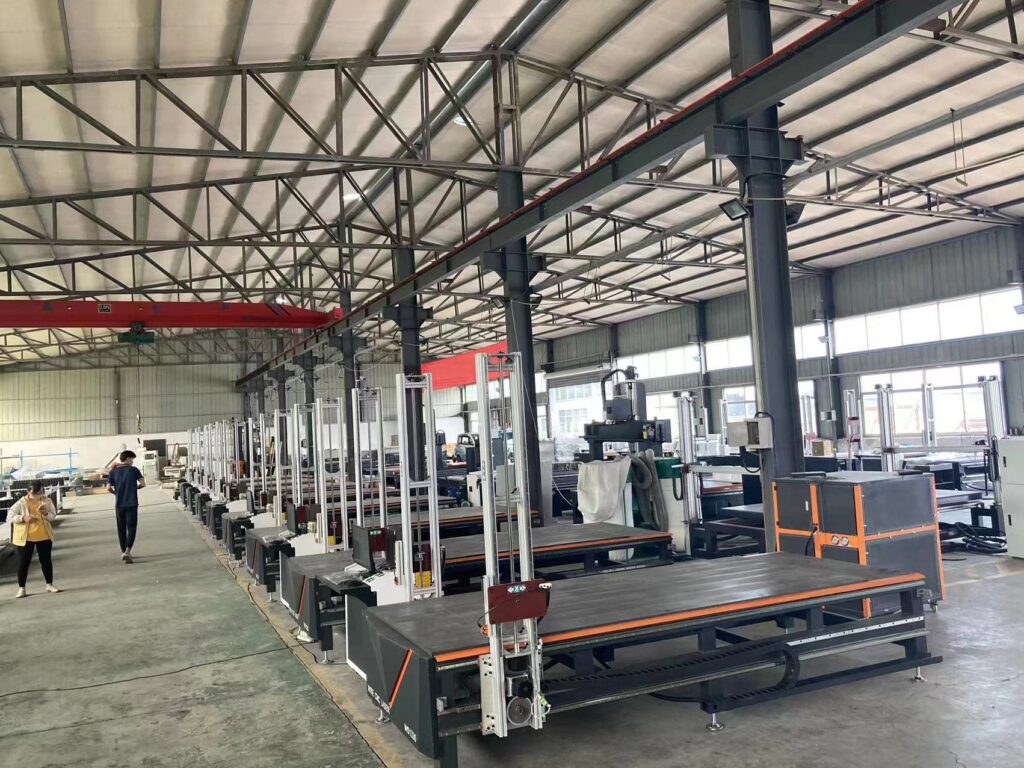
Polonya'dan sürekli bir müşterimizin, özel yapım 5 eksenli sıcak telli köpük kesme makinesi için üçüncü siparişini verdiğini ve şu anda sevkiyata hazır olduğunu duyurmaktan memnuniyet duyuyoruz.
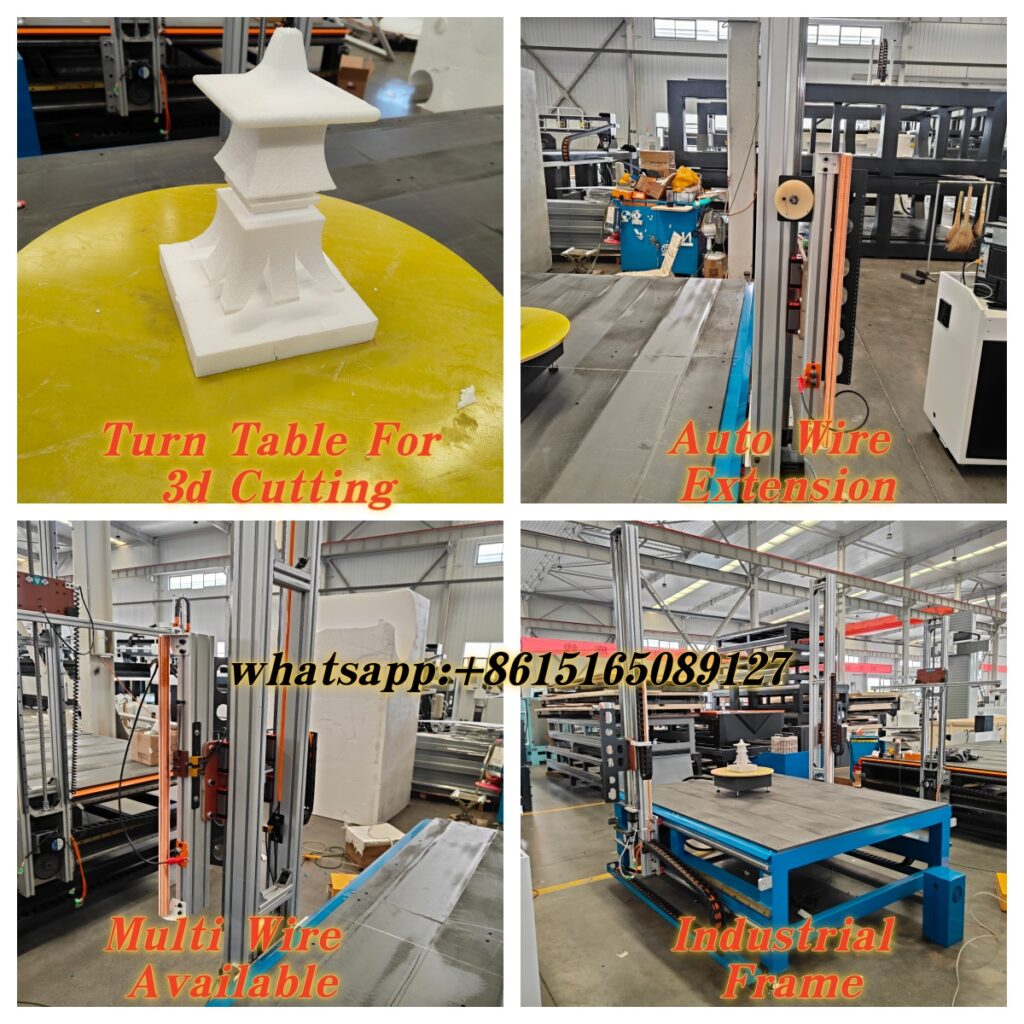
Müşterinin teknolojimize ve hizmetimize olan sürekli güveninin bir kanıtı olan bu son sipariş, özellikle reklam endüstrisi için uygulanan 1500×1500 mm kesim boyutuna sahiptir.
Makine, 5 ila 10 sıcak telin aynı anda çalışmasına olanak tanıyan çok telli kesim özelliğiyle donatılmıştır ve köpük harfler, ekranlar ve diğer reklam aksesuarları için üretim verimliliğini önemli ölçüde artırır. Buna ek olarak, karmaşık ve yontulmuş şekiller için 3D kontur kesimine olanak tanıyan bir döner tabla ile birlikte gelir.
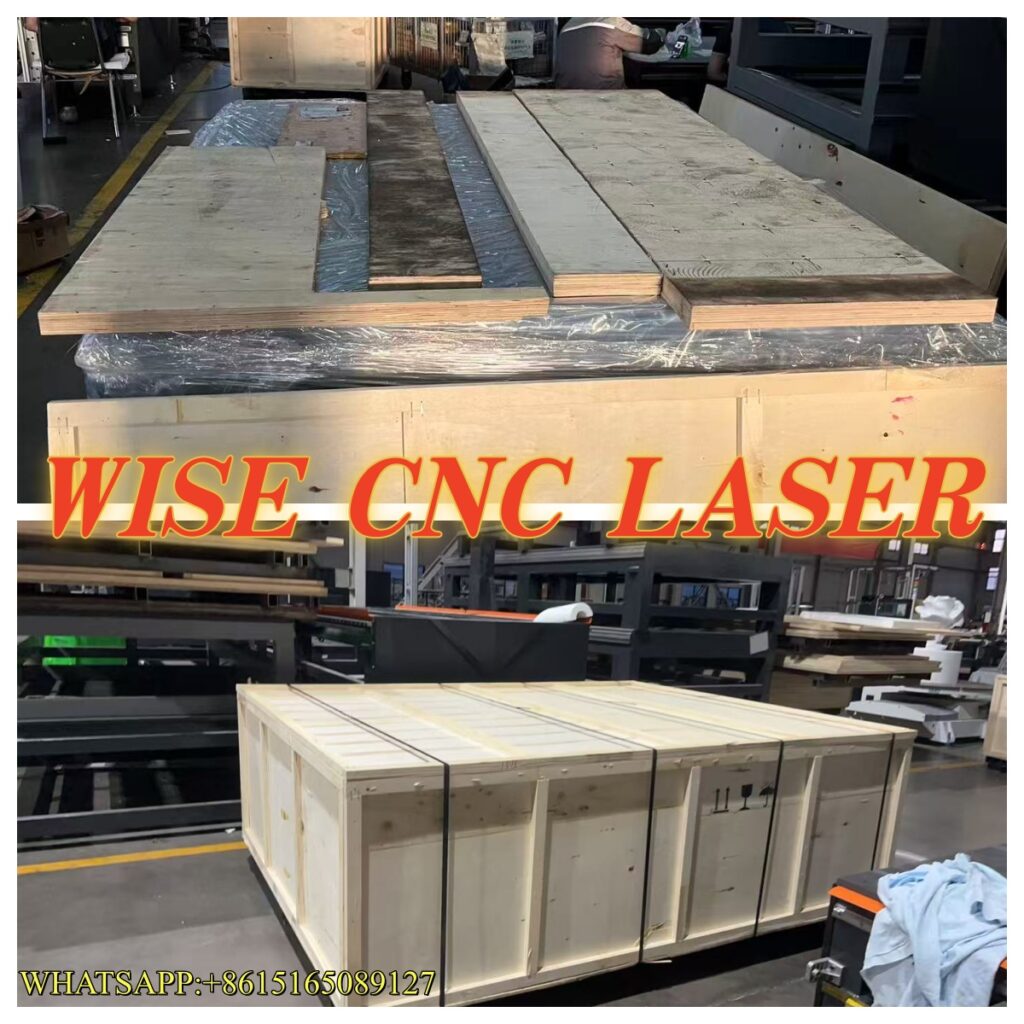
Polonyalı müşterimizin çözümlerimize duyduğu güven, köpük kesme ekipmanlarımızın güvenilirliğini, hassasiyetini ve esnekliğini vurgulamaktadır. Bu gelişmiş model ile büyüyen iş ihtiyaçlarını desteklemeyi dört gözle bekliyoruz.
Cnc köpük kesme makinelerimiz hakkında daha fazla bilgi için lütfen Jinan Wise CNC Laser Machinery Co.
Bağıl Köpük Makineleri
WS1020 CNC Tel Köpük Taş Yünü Kesme Makinesi
Orijinal fiyat: $45.00.$35.00Şu andaki fiyat: $35.00.
WS1322 Yeni Başlayanlar için Düşük Maliyetli CNC Köpük Kesici
WS1330 Sıcak Tel EPS Köpük Kesme Makinesi
$145.00WS1330 Hafif Yapı Döner Tablalı Sıcak Tel Köpük Kesici
$100.00
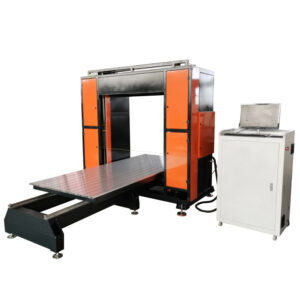

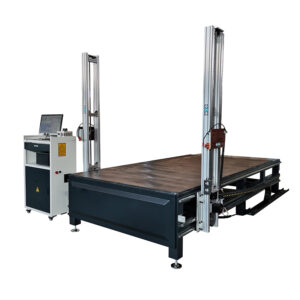
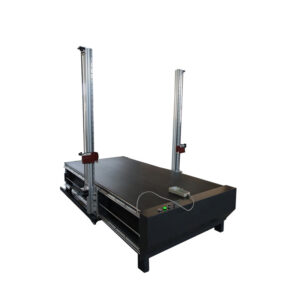
Otomatik Tel Gerginlik Düzenlemeli Değişken Sıcaklık Kontrollü Köpük Kesicinin Tanıtımı
Köpük kesme, tiyatro seti tasarımı ve mimari modellemeden ambalaj mühendisliği ve yalıtım kurulumuna kadar çok sayıda sektörde önemli bir işlemdir. Geleneksel sıcak telli köpük kesiciler etkili olmakla birlikte uzun süredir iki kalıcı zorluktan muzdariptir: farklı köpük yoğunluklarında tutarlı kesme sıcaklığını korumak ve termal genleşme nedeniyle tel gevşekliğini veya kırılmasını önlemek. Bu makalede, otomatik tel gerginliği ayarına sahip değişken sıcaklık kontrollü köpük kesici gibi önemli bir teknolojik gelişme ve bu uzun süredir devam eden sorunları nasıl çözdüğü incelenmektedir.
Geleneksel Köpük Kesicilerle İlgili Sorun
Standart sıcak tel kesiciler tipik olarak sabit bir akımla ısıtılan sabit dirençli bir tel kullanır. Tel ısındıkça genişler ve sarkar. Bu sarkma eğri kesimlere, hatalı açılara ve teli koparabilecek artan sürtünmeye yol açar. Ayrıca, farklı köpükler (EPS, EPP, XPS veya poliüretan) farklı kesme sıcaklıkları gerektirir. Yüksek yoğunluklu köpük için ideal olan bir sıcaklık, düşük yoğunluklu köpüğü eritip çökertecek, yumuşak köpük için olan bir ayar ise daha yoğun malzemelere nüfuz etmekte zorlanacaktır.
Değişken Sıcaklık Kontrolü: Hassasiyet Parmaklarınızın Ucunda
Modern değişken sıcaklık kontrol sistemleri denklemin termal tarafını ele alır. Bu üniteler, kesme teline verilen gücü hassas bir şekilde düzenleyen, genellikle döner kadranlı veya dijital arayüzlü bir geri besleme döngüsü kontrolörü kullanır. Operatörün belirli sıcaklık aralıklarını (tipik olarak 200°F ila 1000°F üzeri) ayarlamasına olanak tanıyan kesici, farklı köpük türlerine anında uyum sağlar.
- Düşük ayarlar (200-400°F): Düşük yoğunluklu EPS ve kraft köpükler için idealdir, pürüzsüz, boncuksuz kenarlar üretir.
- Orta ayarlar (400-700°F): Kontrollü erimenin aşırı dumanı önlediği XPS yalıtım levhaları ve EPP için mükemmeldir.
- Yüksek ayarlar (700-1000°F+): Agresif, hızlı geçişler gerektiren yüksek yoğunluklu poliüretan veya köpük çekirdekli malzemeler için gereklidir.
Bu değişkenlik sadece kesim kalitesini artırmakla kalmaz, aynı zamanda telin malzeme için minimum etkili sıcaklıkta çalışmasını sağlayarak tehlikeli dumanları da azaltır.
Otomatik Tel Gerginlik Ayarı: Oyunu Değiştiren
Ancak gerçek yenilik, otomatik tel gerginliği ayarında yatmaktadır. Nikrom tel ısındıkça uzunlamasına genişler - bazen 30 cm'lik bir açıklıkta birkaç milimetre genişler. Manuel bir gerdirme sistemi, kelebek vidaları yeniden sıkmak için sürekli operatör dikkati gerektirir ve bu da karmaşık kesimler sırasında pratik değildir.
Otomatik gergi sistemi, mikro yük hücresi sensörüyle birleştirilmiş küçük bir servo motor veya yaylı kol kullanır. Mekanizma gerçek zamanlı olarak çalışır:
- İlk gerdirme: Güç açıldığında, sistem teli önceden ayarlanmış bir temel gerilime çeker (örneğin, tel ölçüsüne bağlı olarak 5-10 Newton).
- Dinamik dengeleme: Tel ısınıp genleştikçe, sensör gerginlikte bir düşüş tespit eder. Servo anında geri çekilerek gevşekliği alır ve optimum gerginliği geri kazandırır.
- Aşırı gerilim koruması: Tel soğutma sırasında büzülürse, sistem kopmayı önlemek için gerilimi serbest bırakır.
- Kopma algılama: Gerilimin aniden sıfıra düşmesi anında güç kesintisini tetikleyerek transformatörün boşalmasını ve elektronik aksamın zarar görmesini önler.
Kombine Sistemlerin Faydaları
Değişken sıcaklık kontrolü ve otomatik gerginlik ayarı birlikte çalıştığında, sonuçlar dönüştürücüdür:
- Her seferinde daha düz kesimler: Sürekli gergin bir tel, kesme basıncı altında eğilmez ve mükemmel dikey veya açılı kenarlar üretir.
- Daha uzun tel ömrü: Termal stres döngülerinin ve ani aşırı gerilmelerin ortadan kaldırılması, tellerin manuel makinelere göre 3-5 kat daha uzun ömürlü olması anlamına gelir.
- Eller serbest çalışma: Operatörler gergi düğmeleriyle uğraşmak yerine iş parçasını veya şablonu yönlendirmeye odaklanabilir.
- Malzeme çok yönlülüğü: Sıcaklığı veya gerginliği yeniden ayarlamak için durmadan yumuşak köpükten yoğun levhaya geçin - sadece kadranı çevirin ve gidin.
- Azaltılmış atık: Daha temiz kesimler, profesyonel imalat atölyeleri için kritik olan daha az reddedilen parça anlamına gelir.
Uygulamalar ve Gerçek Dünya Kullanımı
Bu teknoloji şimdiden benimsenmeye başladı:
- CNC köpük kesiciler: Otomatik tablalar, uzun kızak hareketleri sırasında kapalı döngü gerilim geri bildiriminden büyük ölçüde yararlanır.
- El tipi yay kesiciler: Otomatik gerginliğe sahip pille çalışan modeller, heykeltıraşlar ve sahne yapımcıları için tek elle kullanım sağlar.
- Sıcak tel masaları: Tekrarlanan, hassas dilimlemelerin gerekli olduğu dikey kesim istasyonları (örneğin, mimari model atölyeleri).
Alıcılar ve İnşaatçılar için Dikkat Edilmesi Gerekenler
Bu özelliklere sahip bir köpük kesici seçerken veya oluştururken şunlara dikkat edin:
- Termal kütle yönetimi: Germe mekanizması, seramik veya ısıya batırılmış bileşenler aracılığıyla telin ısısından izole edilmelidir.
- Ayarlanabilir hassasiyet: Bazı köpükler (EPP gibi) yumuşak EPS'ye göre biraz daha yüksek gerilimden yararlanır - kullanıcı tarafından ayarlanan gerilim eşiklerine sahip sistemleri seçin.
- Güç kaynağı eşleşmesi: Değişken kontrolörün, voltaj düşüşü olmadan telin direnç aralığını (tipik olarak 0,5-5 ohm) karşılayabildiğinden emin olun.
Sonuç
Değişken sıcaklık kontrolü ve otomatik tel gerginlik ayarı kombinasyonu, sıcak tel köpük kesiminde gerçek bir sıçramayı temsil eder. Artık imalatçılar güç ve hassasiyet arasında seçim yapmak zorunda değil. Malzeme için tam olarak doğru ısıyı sağlarken termal genleşmeyi otomatik olarak telafi eden bu gelişmiş kesiciler daha temiz, daha hızlı ve daha tutarlı sonuçlar sağlar. İster cosplay zırhı yapan bir hobici ister mimari yalıtım kesen bir profesyonel olun, bu teknoloji titiz bir aleti güvenilir bir üretim varlığına dönüştürür.
Sensör maliyetleri düşmeye devam ettikçe ve mikro denetleyiciler her yerde bulunur hale geldikçe, otomatik gerginlik düzenlemesinin en giriş seviyesi köpük kesiciler hariç hepsinde standart hale gelmesini bekleyin; böylece tel kopması ve sarkan kesimler geçmişte kalacaktır.